NATO Intercepts Iranian Missile Over Turkiye Amid Escalation Fears
In a significant development underscoring heightened regional tensions, NATO air defenses have successfully intercepted an iran missile intercepted over Turkiye, preventing potential casualties and damage. This incident, confirmed by Turkish authorities and NATO, marks a critical moment in the ongoing geopolitical flux, particularly in the wake of the escalating US-Israel conflict with Iran. The successful interception highlights the formidable defensive capabilities of the Alliance and Turkiye's unwavering commitment to securing its airspace, while simultaneously amplifying fears of a widening conflict in an already volatile Middle East.
The event serves as a stark reminder of the sophisticated threats faced by sovereign nations and the indispensable role of collective defense mechanisms. As the international community grapples with the implications, the focus remains on de-escalation and preventing further destabilization that could have far-reaching global consequences.
The Incident: A Closer Look at the Interception
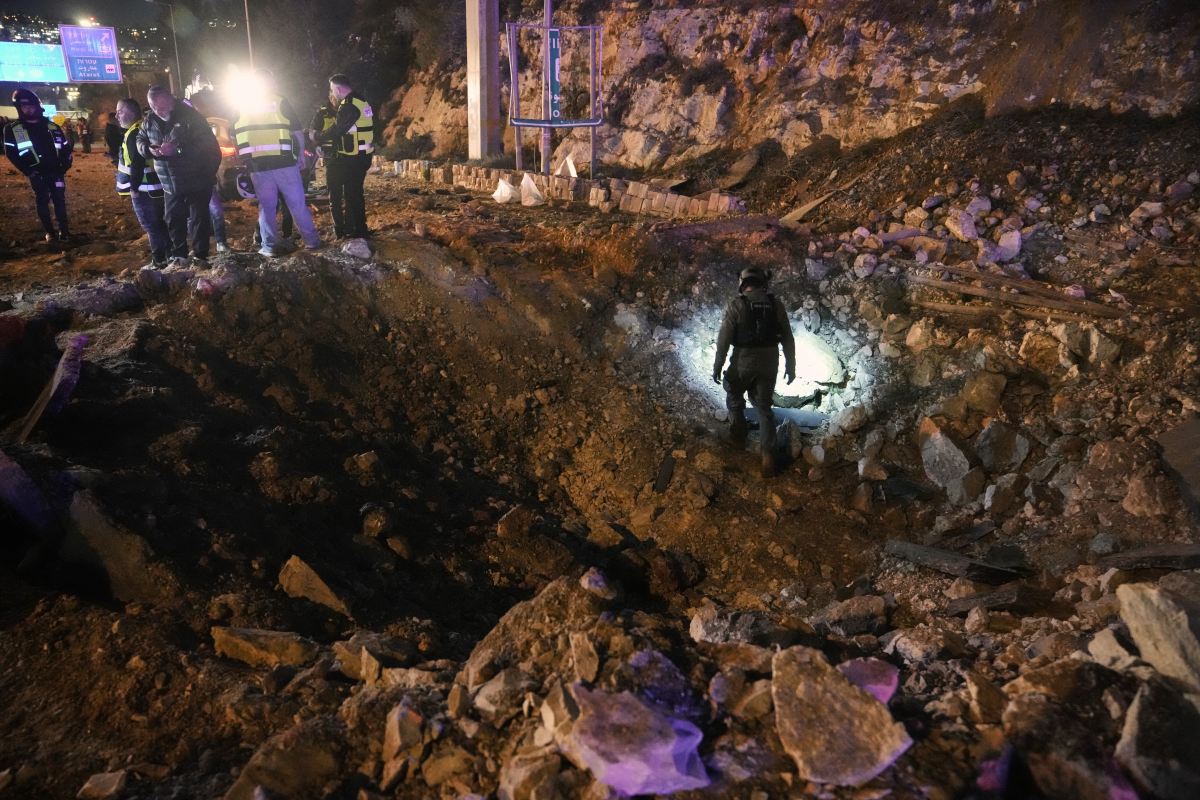
The interception occurred on a Monday evening, with the Iranian ballistic missile being brought down over the Sahinbey district of Gaziantep, a city in southern Turkiye. The Turkish Ministry of National Defence swiftly issued a statement confirming the operation and reassuring the public that no casualties or damage were reported on the ground. This immediate confirmation, coupled with the absence of impact, underscores the efficacy and precision of the NATO air defense systems deployed in the region.
NATO spokesperson Allison Hart further corroborated the Turkish account, affirming that the military alliance had indeed intercepted "a missile heading to Turkiye." This swift, coordinated response demonstrates NATO's readiness and capability to defend its member states against emerging threats. For Turkiye, a strategically vital NATO member sharing extensive borders with conflict zones, the incident was a potent test of its national airspace and border security protocols. Ankara's ministry emphasized its determination to protect its territory and called on all parties, especially Tehran, to "refrain from actions that could endanger civilians or undermine regional stability."
This was not an isolated event; it marked the second time an iran missile intercepted over Turkiye since the commencement of the US and Israel's war against Iran on February 28. A previous Iranian ballistic missile, also en route towards Turkish airspace via Iraq and Syria, was reportedly intercepted and destroyed by NATO air defense systems days earlier. These consecutive incidents paint a clear picture of an aggressive pattern, challenging regional security and prompting international concern. The fact that an iran missile intercepted repeatedly over the territory of a NATO ally significantly raises the stakes.
Escalating Tensions and Iran's Broader Strategy
The interceptions in Turkiye are symptomatic of a much broader and more dangerous trend in the region. Since the onset of hostilities involving the US and Israel against Iran, there has been a significant surge in Iranian missile and drone strikes across the wider Middle East. These strikes have targeted various locations, including US military bases, Israel-linked infrastructure, and civilian targets in Arab Gulf countries.
According to experts like Rob Geist Pinfold, a lecturer in defence studies at King's College London, Iran's strategy extends beyond merely targeting military installations. "Iran’s targets are not just US bases; they are, in fact, primarily large-scale infrastructure and civilian targets as well," Pinfold explained. He argues that this is "not a mistake" but rather "by design," indicating Tehran's intent to "unleash as much chaos as possible to destabilize the region and global markets." The ultimate goal, as interpreted by some analysts, is to pressure Washington into abandoning the conflict.
This high-risk strategy is evident in the widespread nature of the attacks. Iran has reportedly targeted "every single Gulf Cooperation Council state," demonstrating a willingness to alienate regional partners in pursuit of its objectives. The trajectory of the missiles, often crossing multiple sovereign airspaces like Iraq and Syria before reaching Turkiye, further complicates the security landscape and highlights the indiscriminate nature of these launches. This deliberate targeting of vital infrastructure and civilian zones underscores the urgent need for a more comprehensive understanding of Iran's Missile Strategy: Destabilizing the Region, Targeting Civilian Zones.
Understanding the Ripple Effect
- Regional Instability: Each missile launch, whether intercepted or not, contributes to an atmosphere of fear and uncertainty, deterring investment and development.
- Economic Impact: Attacks on energy infrastructure or shipping lanes in the Gulf can have immediate and severe repercussions for global oil prices and trade.
- Humanitarian Concerns: The potential for civilian casualties and displacement is immense, adding to existing humanitarian crises in the region.
- Geopolitical Realignment: Iran's actions are forcing countries to re-evaluate alliances and defense postures, potentially leading to new security architectures.
NATO's Role and Collective Defense
The successful interception of the Iranian missile over Gaziantep stands as a powerful testament to NATO's unwavering commitment to its collective defense principles. Article 5 of the North Atlantic Treaty, which states that an attack on one NATO country will be considered an attack on all, forms the bedrock of the Alliance's security doctrine. While NATO Chief Mark Rutte noted that there was no talk of invoking Article 5 after the first Iranian missile was shot down, the incidents undeniably underscore the grave threats that could potentially trigger such a response.
The Alliance's response goes beyond mere rhetoric; it involves tangible assets and highly advanced defense systems. The integrated air and missile defense system of NATO is a complex network of radars, sensors, and interceptors designed to protect its populations and territories from ballistic missile threats. This infrastructure is a critical deterrent and a practical demonstration of solidarity among member states. The fact that an iran missile intercepted by these systems reassures allies and sends a clear message to potential aggressors.
NATO spokesperson Allison Hart reiterated this, stating, "NATO stands firm in its readiness to defend all Allies against any threat." This readiness is a continuous process involving intelligence sharing, joint exercises, and technological upgrades to stay ahead of evolving threats. Turkiye, as a frontline state, benefits immensely from these collective capabilities, securing its skies with the aid of the Alliance. For more details on the effectiveness of these defenses, one can refer to Turkiye's Skies Secured: NATO Air Defenses Counter Iran Missile Threat.
Tips for Enhancing Regional Security
Beyond military interception, several diplomatic and strategic measures are crucial for long-term stability:
- Strengthening Diplomatic Channels: Maintaining open lines of communication, even with adversaries, is vital to de-escalate crises and prevent miscalculations.
- Enhanced Intelligence Sharing: Collaborating on intelligence gathering and analysis among allies can provide early warnings and improve defensive postures.
- Economic Sanctions & Incentives: A balanced approach of targeted sanctions and economic incentives can influence state behavior, encouraging compliance with international norms.
- International Partnerships: Fostering stronger alliances with non-NATO partners in the region can create a more robust security architecture.
- Public Awareness: Educating the public about the nature of threats and defense mechanisms can build confidence and reduce panic during incidents.
Navigating the Perilous Path: Implications and Outlook
The successful interception of the Iranian missile over Turkiye is a testament to technological prowess and international cooperation, yet it simultaneously casts a long shadow over the prospects for peace in the Middle East. The repeated instances of an iran missile intercepted highlight a dangerous game of brinkmanship that risks spiraling out of control. While NATO's defenses have proven effective in preventing immediate harm, the underlying provocations continue to fuel instability.
The strategic implications are profound. Iran's willingness to launch missiles towards a NATO member's airspace, even if denied, tests the resolve of the Alliance and challenges the established norms of international conduct. It forces a reassessment of defense strategies and contingency plans for all involved parties. The immediate priority for the international community must be a concerted effort towards de-escalation through robust diplomatic engagement and a clear articulation of red lines.
The risk of a wider regional conflict impacting global markets, energy supplies, and geopolitical balances remains very real. The delicate balance between deterrence and provocation is constantly being tested, and a single miscalculation could have catastrophic consequences. As Turkiye and NATO demonstrate their capability to defend against missile threats, the greater challenge lies in addressing the root causes of the escalating aggression and finding sustainable pathways to peace and security in the region.
The interception of the Iranian ballistic missile over Turkiye is a critical event that underscores the precarious security situation in the Middle East. While NATO's defensive capabilities successfully averted immediate disaster, the incident serves as a grave warning about the escalating tensions and Iran's destabilizing missile strategy. The international community must now redouble its efforts to promote dialogue, reinforce diplomatic solutions, and prevent this dangerous trajectory from plunging the region into a wider, more devastating conflict. The security of Turkiye, as a frontline NATO ally, remains paramount, but the broader stability of the region hinges on the restraint and wisdom of all actors involved.